Deconstruction and Creativity
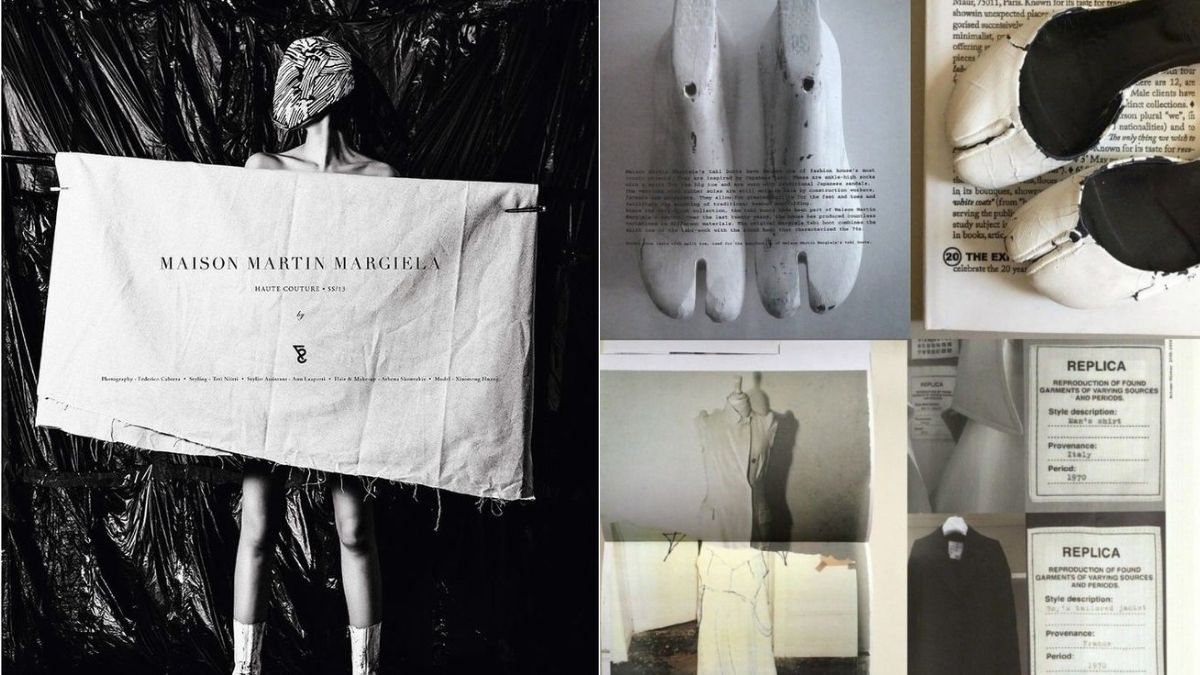
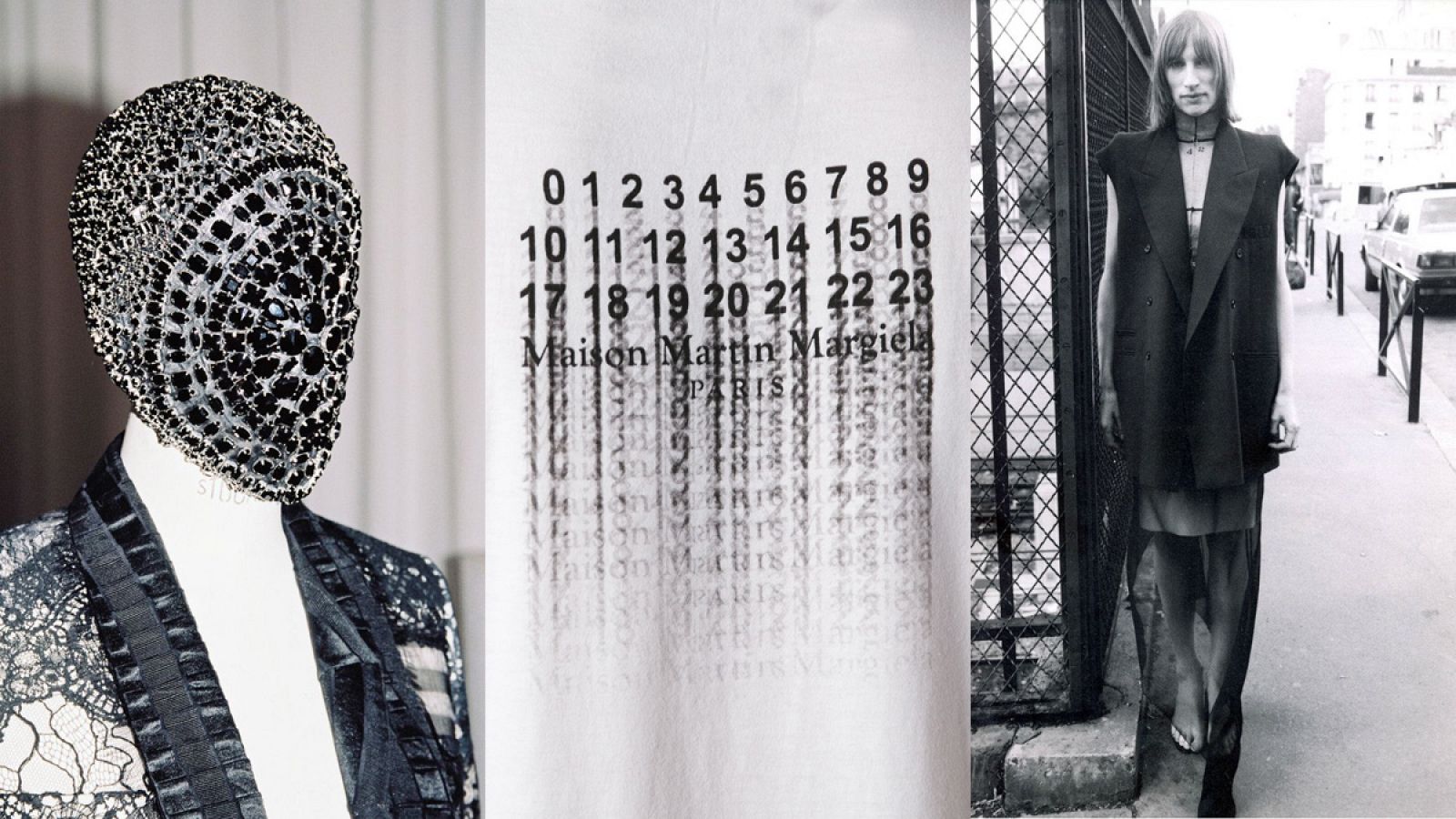
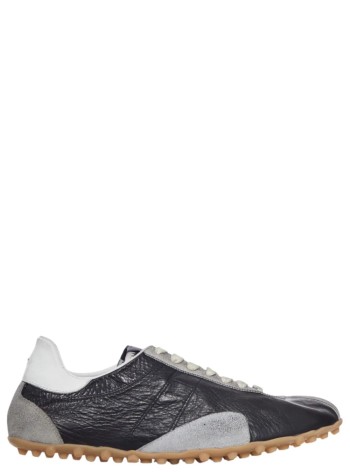
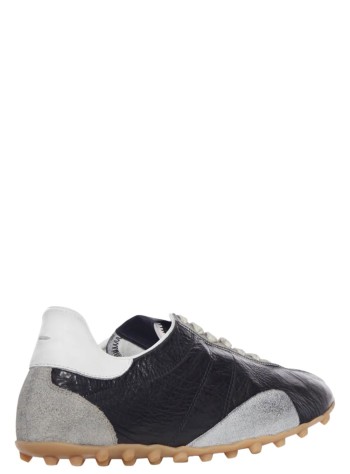
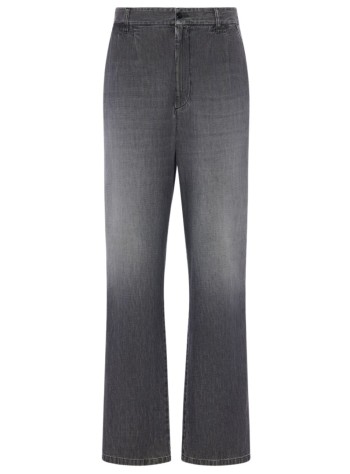
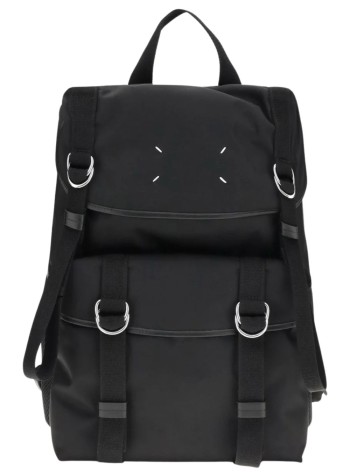
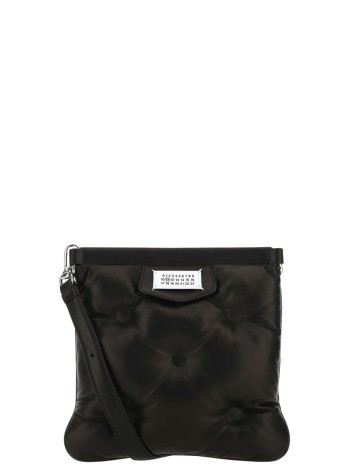
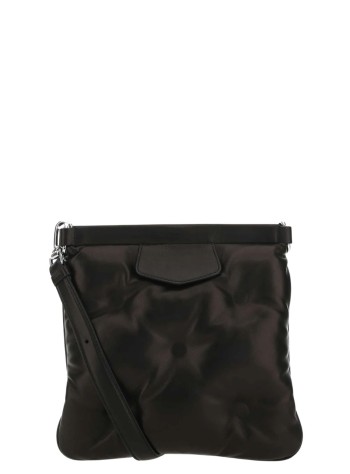
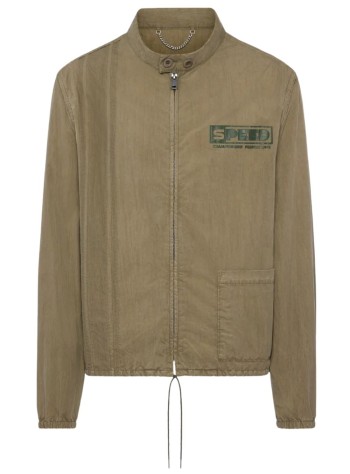
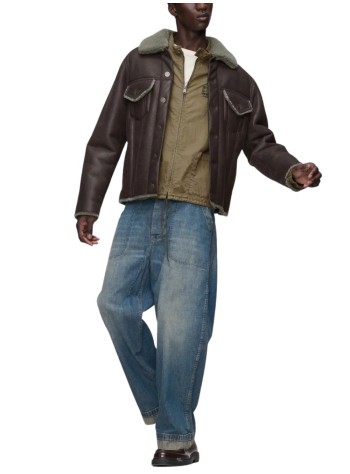
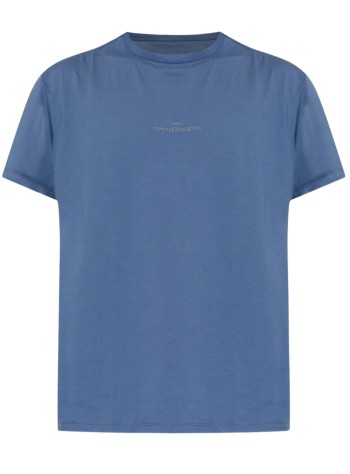
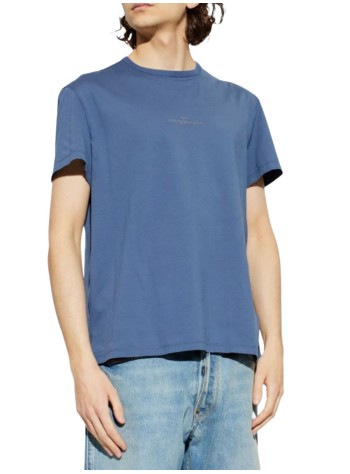
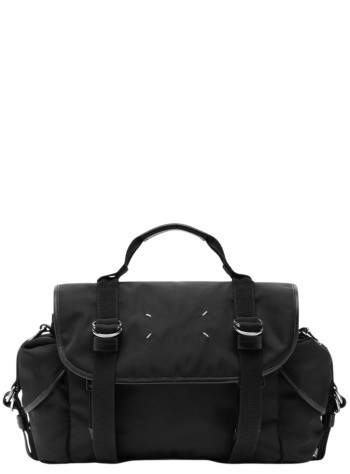
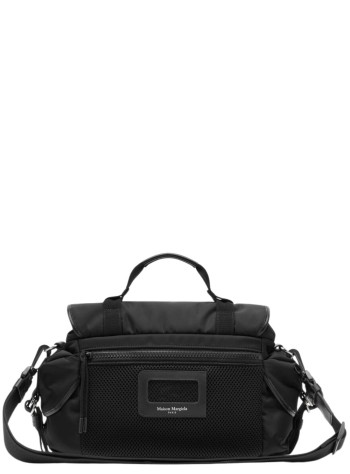
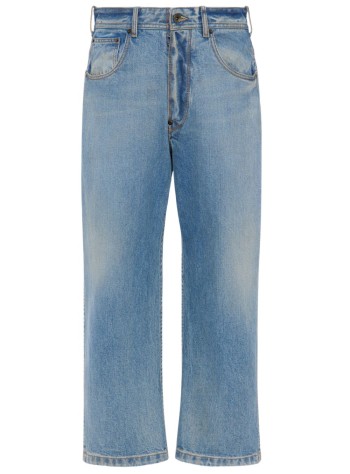
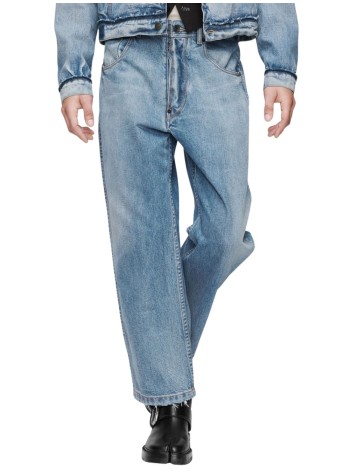
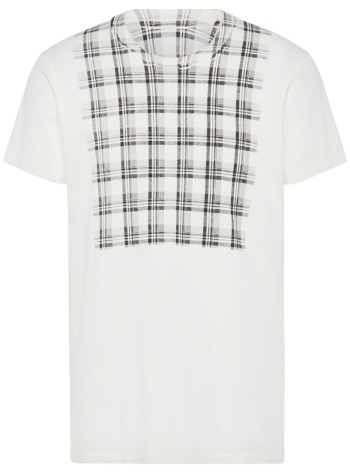
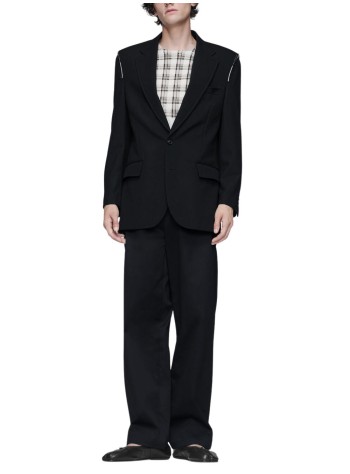
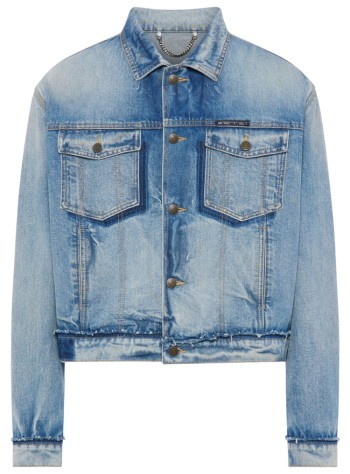
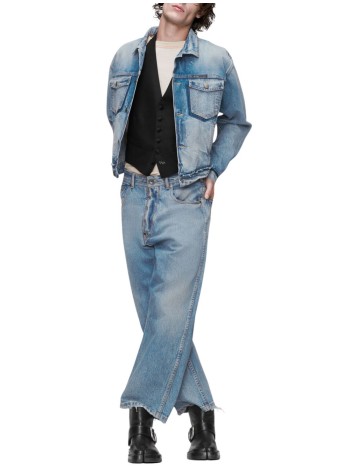
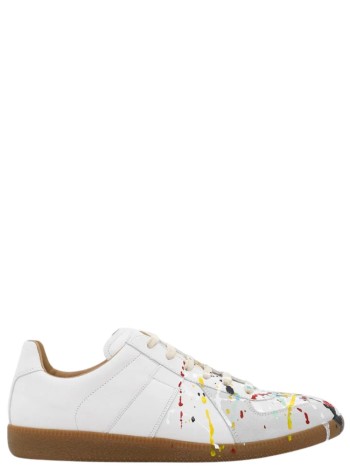
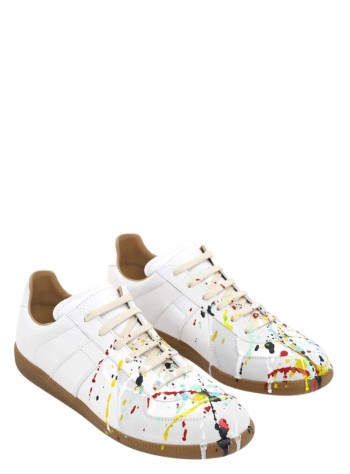
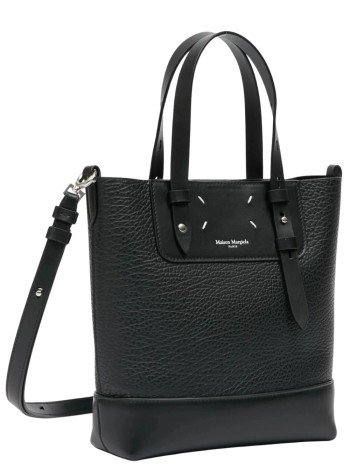
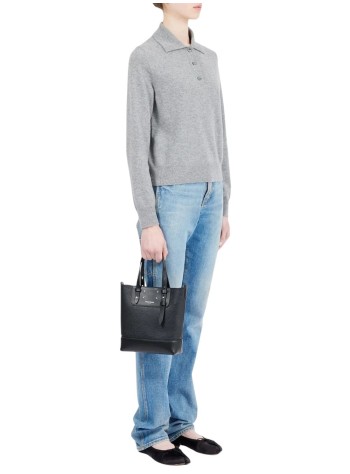
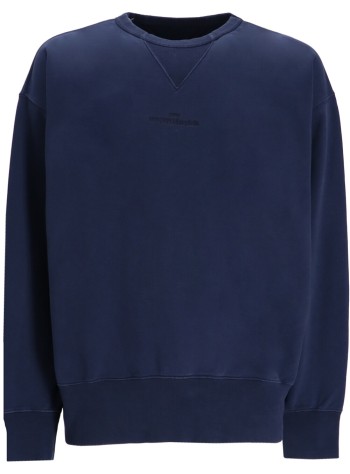
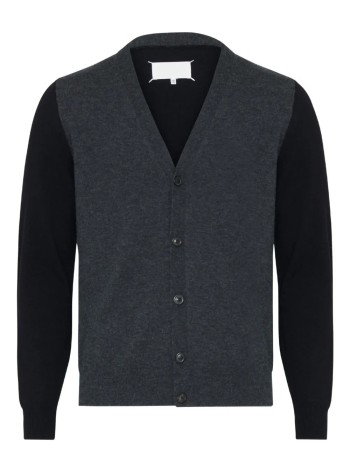
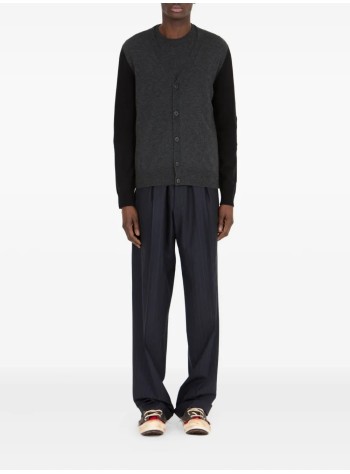
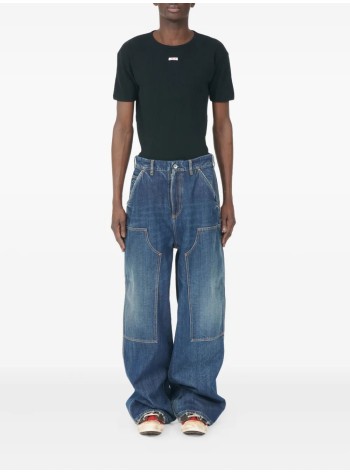
Maison Margiela is synonymous with deconstruction: jackets that reveal their seams, dresses reconstructed from other garments, and luxury pieces made from recycled materials. The brand challenges traditional notions of luxury, showing that fashion can also be intellectual and artistic. Each collection is a visual game, inviting the viewer to reconsider what it means to dress and create.
Collaborations and Legacy
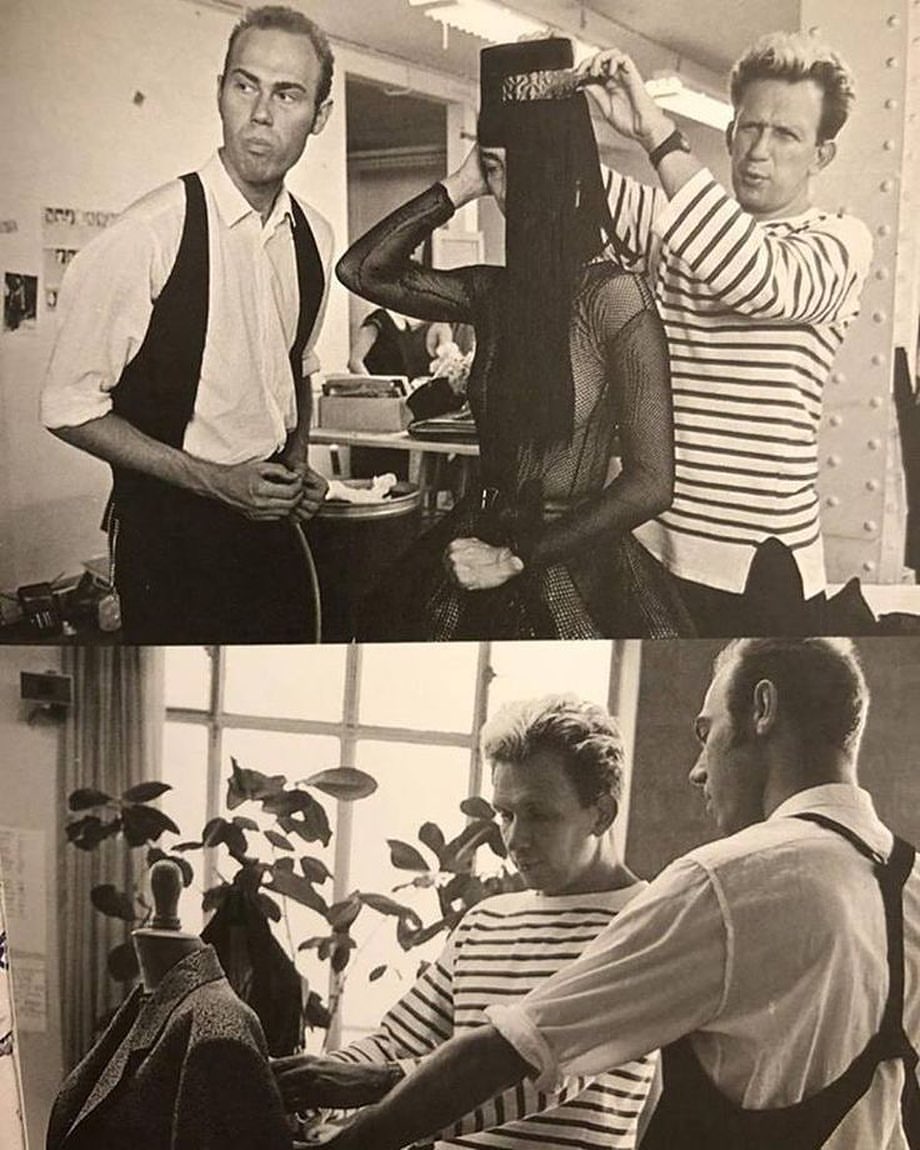
Although Margiela retired in 2009, his legacy continues under John Galliano, who has maintained the experimental and conceptual essence. The house has collaborated with artists and brands like H&M, bringing its vision to a wider audience without losing its disruptive identity. Maison Margiela has influenced generations of designers who aim to break molds and challenge convention.
Sustainable Philosophy
Since its beginnings, Margiela showed interest in recycled materials and conscious processes, long before sustainability became a trend. The house continues exploring ways to create responsible luxury, proving that innovation and ethics can go hand in hand.